The Golden Legacy of Indan
Vinzons, formerly known as Indan, is more than just a dot on the map of Camarines Norte; it is a living chronicle of Filipino resilience and heritage. As one of the oldest towns in the province, its streets tell stories of Spanish friars, revolutionary heroes, and a community that has guarded its traditions for over four centuries.
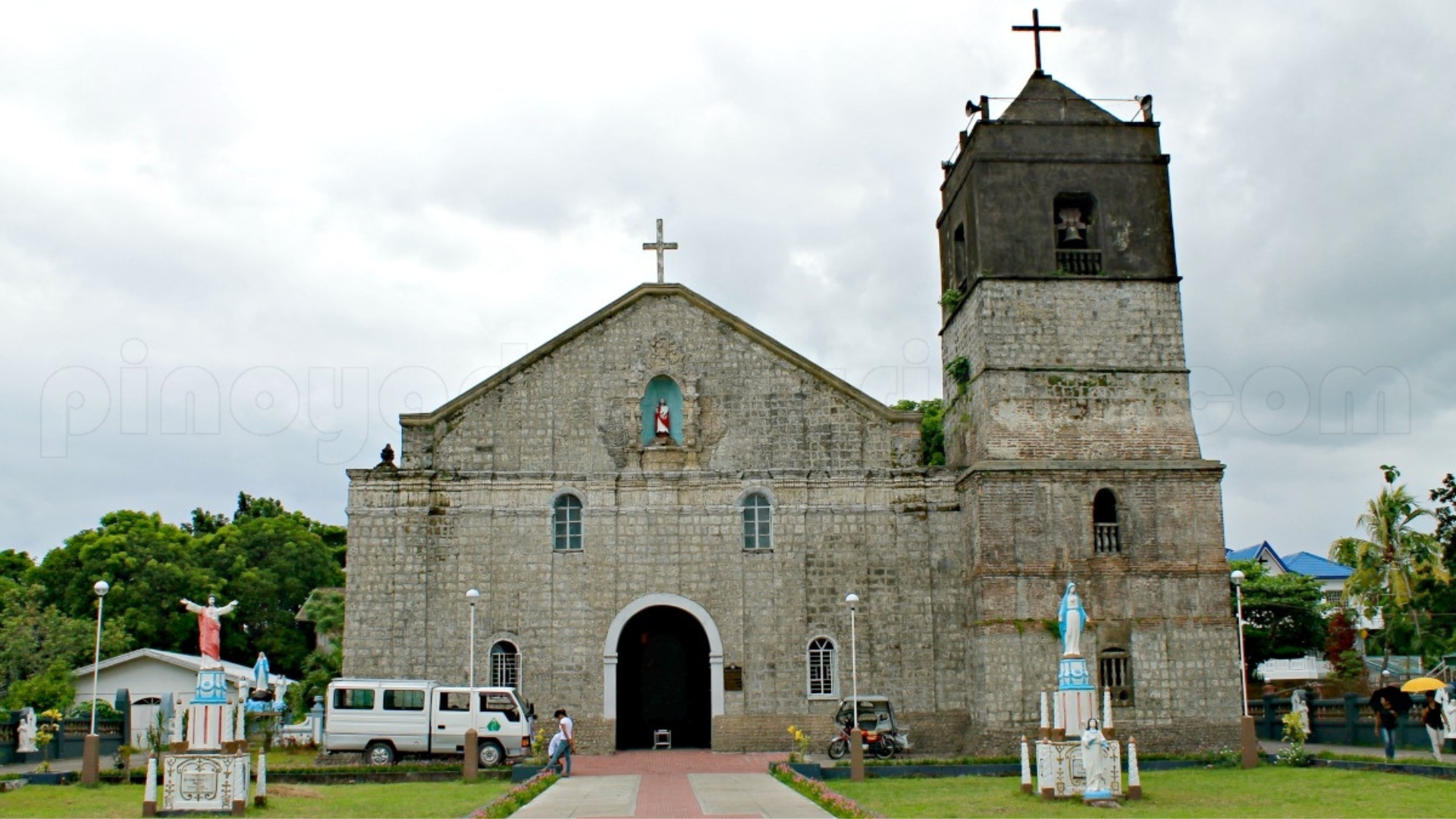
Named after the legendary Wenceslao Q. Vinzons—the "Father of the Resistance" in the Philippines—our town embodies a spirit of bravery. From the intricate stone carvings of the St. Peter the Apostle Parish to the bustling local markets filled with the aroma of Angol and fresh seafood, every corner offers an invitation to slow down and rediscover the soul of Bicolano culture.
HEROIC ROOTS
Honor the memory of Wenceslao Q. Vinzons, the youngest delegate to the 1935 Constitutional Convention and a fearless guerrilla leader whose sacrifice remains our town's greatest moral compass.
CALAGUAS GATEWAY
Beyond the mainland lies the Calaguas Group of Islands. Home to the legendary "Mahabang Buhangin," our town manages these pristine ecosystems to ensure their beauty lasts for generations to come.
GREEN HEART
Our expansive mangrove forests in the Vinzons Marshland serve as a vital nursery for marine life and a natural barrier against the tides, proving that progress and nature can coexist beautifully.
TAP THE MILESTONES TO UNCOVER OUR FOUR-CENTURY JOURNEY.
Established along the Indan River
Long before Spanish arrival, native Bicolanos thrived along the fertile riverbanks. In 1611, Franciscan missionaries officially founded the town as Indan, derived from the local word 'Inan', referencing the abundant river source that sustained the region's earliest tradesmen and agricultural farmers.
"Indan was established just one year after the provincial capital of Daet, making it one of the foundational historical entryways into Camarines Norte."
The Oldest Church in the Province
In 1624, the building of the St. Peter the Apostle Parish Church began. Surviving continuous pirate raids, centuries of earthquakes, and a catastrophic town fire in 2012, its meticulously preserved stone facade stands proud today as the oldest surviving religious monument in Camarines Norte.
"Look closely at the church walls—they were reinforced using coral blocks, lime egg mixtures, and local river stone templates crafted manually by town ancestors."
First Guerilla Resistance Movement
On December 18, 1941, days after Japanese forces landed in the Philippines, a brilliant 31-year-old native from Indan named Wenceslao Q. Vinzons organized the region's first armed citizen guerrilla movement, refusing to surrender local freedom to foreign occupational regiments.
"Vinzons successfully liberated the capital town of Daet in May 1942 before his capture, leaving behind an immortal legacy of ultimate Bicolano bravery."
From 'Indan' to 'Vinzons'
Following the conclusion of World War II and the declaration of Philippine Independence, Executive Order No. 429 officially changed the historic town's centuries-old title from Indan to Vinzons to forever preserve and honor the unparalleled sacrifices of its young native revolutionary champion.
"Today, local laws protect the ancestral homes of our freedom fighters, ensuring modern developments respect the physical historic footprints left behind."